
Scientists discover how ultraviolet rays trigger skin cancer. They may also have found a way to stop skin cancer in its tracks using a gene target.
Melanoma is a cancer of the skin pigment cells, which are called melanocytes. Melanoma only accounts for around 1 percent of all skin cancers, yet it is responsible for most skin cancer-related deaths. Melanomas can occur anywhere on the skin, but they are most likely to develop on the chest and back in men and on the legs in women. Other common sites for melanomas include the neck and face.
When exposed to ultraviolet (UV) radiation, melanocytes release melanin, a dark brown to black pigment that protects the skin from the sun’s rays. But in melanocyte stem cells that have reached and exceeded a threshold of genetic mutations, activation by sun exposure causes them to grow a tumor. Skin cancer research professors have identified a way to prevent melanomas that are caused by the mutated stem cells.
When exposed to ultraviolet (UV) radiation, melanocytes release melanin, a dark brown to black pigment that protects the skin from the sun’s rays. But in melanocyte stem cells that have reached and exceeded a threshold of genetic mutations, activation by sun exposure causes them to grow a tumor.
Scientists have identified a way to prevent melanomas that are caused by the mutated stem cells.
Home




Welcome to Sydney Skin Cancer Surgery
Let Your Skin Reflect Your Well-Being
Welcome to Sydney Skin Cancer Surgery
Let Your Skin Reflect Your Well-Being
Welcome to Sydney Skin Cancer Surgery
Let Your Skin Reflect Your Well-Being
Sydney Skin Cancer Surgery is an inclusive Centre Surgery and Skin Cancer Clinic offering a variety of services in skin cancer treatment and skin care. With us, you can rest assured that you will receive the best care possible, recover your skin health, beauty, and engage in a safe diagnostic and effective treatment process.
At Sydney Skin Cancer Surgery you will experience a new level of skin cancer care. We offer comprehensive skin screenings, in-depth skin checks, skin protection, and early skin cancer detection and treatment.
Healthy skin requires commitment. Commit to the most advanced technology and caring staff that eases your experience – a combination resulting in the highest levels of accuracy and quality skin cancer care.
Sydney Skin Cancer Surgery is an inclusive Centre Surgery and Skin Cancer Clinic offering a variety of services in skin cancer treatment and skin care. With us, you can rest assured that you will receive the best care possible, recover your skin health, beauty, and engage in a safe diagnostic and effective treatment process.
At Sydney Skin Cancer Surgery you will experience a new level of skin cancer care. We offer comprehensive skin screenings, in-depth skin checks, skin protection, and early skin cancer detection and treatment.
Healthy skin requires commitment. Commit to the most advanced technology and caring staff that eases your experience – a combination resulting in the highest levels of accuracy and quality skin cancer care.
Sydney Skin Cancer Surgery is an inclusive Centre Surgery and Skin Cancer Clinic offering a variety of services in skin cancer treatment and skin care. With us, you can rest assured that you will receive the best care possible, recover your skin health, beauty, and engage in a safe diagnostic and effective treatment process.
At Sydney Skin Cancer Surgery you will experience a new level of skin cancer care. We offer comprehensive skin screenings, in-depth skin checks, skin protection, and early skin cancer detection and treatment.
Healthy skin requires commitment. Commit to the most advanced technology and caring staff that eases your experience – a combination resulting in the highest levels of accuracy and quality skin cancer care.
Top Five Questions on Skin Cancer
Top Five Questions on Skin Cancer

1. How do you get skin cancer?

Any form of exposure to Ultraviolet (UV) radiation – regardless if it comes from the sun of tanning beds – can cause an uncontrollable growth of abnormal skin cells, resulting in tumours. The top three causes of skin cancer are:
-
Sunburn


Sunburn is the number one cause of melanoma – the deadliest form of skin cancer. Whether you enjoy water sports, near water activities or just hosting a barbeque in your garden, any time you or your loved ones spend unprotected under the sun brings the risk of getting sunburned.
 In Australia, almost 14% of adults, 24% of teenagers and 8% of children are sunburnt on summer weekends.

Keep your skin safe during cooler or overcast days because the power of UV radiation is as strong as when the days are sunny. Even if you do not get sunburned, UV radiation damages your skin which can lead to skin cancer.
Did You Know that Episodes of Severe Sunburn Before Age 18 Can Cause Melanoma Later in Life?
-
 Tanning

Against the popular misbelieve, your tan does not indicate your skin health. Instead, it increases the risk of skin cancer. Other bad news is that tanning eventually leads to wrinkly, sagging skin with patches of discoloration depending on your skin type.
-
 Solarium

Purposely exposing your skin to UVA and UVB radiation increases the risk of skin cancer. If you are a regular solarium user, we warmly welcome you for a skin check in Sydney Skin Cancer Surgery.
Why We Advice Regular Skin Checks?
2. What is the main cause of skin cancer?
 Number one cause of skin cancer is Ultraviolet (UV) radiation from the sun and the equally harmful UV light from tanning beds.

Every exposure to sunlight regardless if it is during the winter or summer puts you at the same risk of getting skin cancer.
 Your skin is your shield. If you do not treat skin cancer, it is very likely to spread to other organs and cause greater damage.

3. How common is skin cancer in Australia?
 Often labelled as Australia’s national cancer, skin cancer is the reason for approximately 2,000 deaths annually. It is estimated that skin cancer will be the 8th cause of death for Australians in 2017. Compared to last year, the number of people with skin cancer is increasing.

 Both non-melanoma and melanoma cancers account for 80% of all newly diagnosed cancers, with melanoma being the third most common cancer in Australia.
 Numbers show that at least two in three Australians will be diagnosed with skin cancer by the time they are 70, approximately 1 in 14 men and 1 in 24 women. Each year, more than 750,000 people are diagnosed with one or more non-melanoma skin cancers, with men leading almost double of the cases.
4. How can you check for skin cancer?
You can check for skin changes on your body with a simple foot to toe inspection. In case you notice:
-
 Unusual spots that do not look like other spots on your body
 -
New moles or spots
-
Any moles that increase in size
-
Sores that do not heal
-
Itchiness, pain or tenderness on skin
-
Moles that change in shape, size or colour
-
New swelling or redness beyond the mole’s border
-
Any oozing, scaling or bleeding
-
Any spots that become raised or develop lumps inside

Visit Skin Cancer Surgery and point out your concerns. We will take care of the rest.
5. At what age does skin cancer typically occur?
 In young Australians (aged 15-39 year olds) melanoma is the most common cancer, making up 20 percent of all cancer cases. In the age group of 15-39, men are 55 percent more likely to die from melanoma than women. Young Australians (aged 20-39 year olds) die from melanoma more than from any other cancer.

The risk of melanoma and other forms of skin cancer increases with ageing. People over 60 are also highly affected by skin cancer.
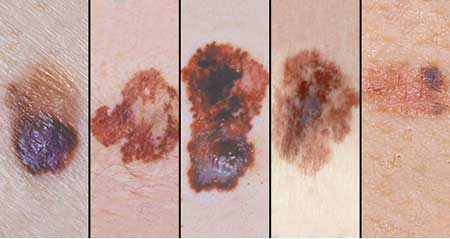
1. How do you get skin cancer?"
Any form of exposure to Ultraviolet (UV) radiation – regardless if it comes from the sun of tanning beds – can cause an uncontrollable growth of abnormal skin cells, resulting in tumours. The top three causes of skin cancer are:
-
Sunburn
Sunburn is the number one cause of melanoma – the deadliest form of skin cancer. Whether you enjoy water sports, near water activities or just hosting a barbeque in your garden, any time you or your loved ones spend unprotected under the sun brings the risk of getting sunburned.
In Australia, almost 14% of adults, 24% of teenagers and 8% of children are sunburnt on summer weekends.
Keep your skin safe during cooler or overcast days because the power of UV radiation is as strong as when the days are sunny. Even if you do not get sunburned, UV radiation damages your skin which can lead to skin cancer.
Did You Know that Episodes of Severe Sunburn Before Age 18 Can Cause Melanoma Later in Life?
-
Tanning
Against the popular misbelieve, your tan does not indicate your skin health. Instead, it increases the risk of skin cancer. Other bad news is that tanning eventually leads to wrinkly, sagging skin with patches of discoloration depending on your skin type.
-
Solarium
Purposely exposing your skin to UVA and UVB radiation increases the risk of skin cancer. If you are a regular solarium user, we warmly welcome you for a skin check in Sydney Skin Cancer Surgery.
Why We Advice Regular Skin Checks?
2. What is the main cause of skin cancer?
Number one cause of skin cancer is Ultraviolet (UV) radiation from the sun and the equally harmful UV light from tanning beds.
Every exposure to sunlight regardless if it is during the winter or summer puts you at the same risk of getting skin cancer.
Your skin is your shield. If you do not treat skin cancer, it is very likely to spread to other organs and cause greater damage.
3. How common is skin cancer in Australia?
Often labelled as Australia’s national cancer, skin cancer is the reason for approximately 2,000 deaths annually. It is estimated that skin cancer will be the 8th cause of death for Australians in 2017. Compared to last year, the number of people with skin cancer is increasing.
Both non-melanoma and melanoma cancers account for 80% of all newly diagnosed cancers, with melanoma being the third most common cancer in Australia.
Numbers show that at least two in three Australians will be diagnosed with skin cancer by the time they are 70, approximately 1 in 14 men and 1 in 24 women. Each year, more than 750,000 people are diagnosed with one or more non-melanoma skin cancers, with men leading almost double of the cases.
4. How can you check for skin cancer?
You can check for skin changes on your body with a simple foot to toe inspection. In case you notice:
-
Unusual spots that do not look like other spots on your body
-
New moles or spots
-
Any moles that increase in size
-
Sores that do not heal
-
Itchiness, pain or tenderness on skin
-
Moles that change in shape, size or colour
-
New swelling or redness beyond the mole’s border
-
Any oozing, scaling or bleeding
-
Any spots that become raised or develop lumps inside
Visit Skin Cancer Surgery and point out your concerns. We will take care of the rest.
5. At what age does skin cancer typically occur?
In young Australians (aged 15-39 year olds) melanoma is the most common cancer, making up 20 percent of all cancer cases. In the age group of 15-39, men are 55 percent more likely to die from melanoma than women. Young Australians (aged 20-39 year olds) die from melanoma more than from any other cancer.
The risk of melanoma and other forms of skin cancer increases with ageing. People over 60 are also highly affected by skin cancer.
1. How do you get skin cancer?
Any form of exposure to Ultraviolet (UV) radiation – regardless if it comes from the sun of tanning beds – can cause an uncontrollable growth of abnormal skin cells, resulting in tumours. The top three causes of skin cancer are:
-
Sunburn
Sunburn is the number one cause of melanoma – the deadliest form of skin cancer. Whether you enjoy water sports, near water activities or just hosting a barbecue in your garden, any time you or your loved ones spend unprotected under the sun brings the risk of getting sunburned.
In Australia, almost 14% of adults, 24% of teenagers and 8% of children are sunburnt on summer weekends.
Keep your skin safe during cooler or overcast days because the power of UV radiation is as strong as when the days are sunny. Even if you do not get sunburned, UV radiation damages your skin which can lead to skin cancer.
Did You Know that Episodes of Severe Sunburn Before Age 18 Can Cause Melanoma Later in Life?
-
Tanning
Against the popular misbelieve, your tan does not indicate your skin health. Instead, it increases the risk of skin cancer. Other bad news is that tanning eventually leads to wrinkly, sagging skin with patches of discoloration depending on your skin type.
-
Solarium
Purposely exposing your skin to UVA and UVB radiation increases the risk of skin cancer. If you are a regular solarium user, we warmly welcome you for a skin check in Sydney Skin Cancer Surgery.
Why We Advice Regular Skin Checks?
2. What is the main cause of skin cancer?
Number one cause of skin cancer is Ultraviolet (UV) radiation from the sun and the equally harmful UV light from tanning beds.
Every exposure to sunlight regardless if it is during the winter or summer puts you at the same risk of getting skin cancer.
Your skin is your shield. If you do not treat skin cancer, it is very likely to spread to other organs and cause greater damage.
3. How common is skin cancer in Australia?
Often labelled as Australia’s national cancer, skin cancer is the reason for approximately 2,000 deaths annually. It is estimated that skin cancer will be the 8th cause of death for Australians in 2017. Compared to last year, the number of people with skin cancer is increasing.
Both non-melanoma and melanoma cancers account for 80% of all newly diagnosed cancers, with melanoma being the third most common cancer in Australia.
Numbers show that at least two in three Australians will be diagnosed with skin cancer by the time they are 70, approximately 1 in 14 men and 1 in 24 women. Each year, more than 750,000 people are diagnosed with one or more non-melanoma skin cancers, with men leading almost double of the cases.
4. How can you check for skin cancer?
You can check for skin changes on your body with a simple foot to toe inspection. In case you notice:
-
Unusual spots that do not look like other spots on your body
-
New moles or spots
-
Any moles that increase in size
-
Sores that do not heal
-
Itchiness, pain or tenderness on skin
-
Moles that change in shape, size or colour
-
New swelling or redness beyond the mole’s border
-
Any oozing, scaling or bleeding
-
Any spots that become raised or develop lumps inside
Visit Skin Cancer Surgery and point out your concerns. We will take care of the rest.
5. At what age does skin cancer typically occur?
In young Australians (aged 15-39 year olds) melanoma is the most common cancer, making up 20 percent of all cancer cases. In the age group of 15-39, men are 55 percent more likely to die from melanoma than women. Young Australians (aged 20-39 year olds) die from melanoma more than from any other cancer.
The risk of melanoma and other forms of skin cancer increases with ageing. People over 60 are also highly affected by skin cancer.
10 Facts About Melanoma
10 Facts About Melanoma
According to the Australian Institute of Health and Welfare:
1. Melanoma is Australia’s national cancer.
The country has one of the highest rates of melanoma in the world.
2. Melanoma is deadly cancer in young Australians.
It kills more young Australians (20-39 year olds) than any other single cancer.
3. Melanoma is the third most common cancer ...
… in Australian men, after prostate and bowel cancer.
4. Melanoma is the third most common cancer ...
… in Australian women, after breast and bowel cancer.
5. In Australia, 1 in 14 men and 1 in 24 women ...
… will be diagnosed with melanoma sometime in their life.
6. Melanoma represents 2% of all skin cancers ...
… but causes 75% of skin cancer deaths.
7. Every six hours, one person will ...
… die from melanoma in Australia.
8. Melanoma rates doubled in the last 20 years ...
… and are still on the rise.
9. While 90% of people with melanoma are ...
… able to be cured by having the primary melanoma removed through surgery, in the other 10% of cases, life-threatening spread will have already occurred.
10. If identified in an early stage, ...
… melanoma can be completely cured.
According to the Australian Institute of Health and Welfare:
1. Melanoma is Australia’s national cancer.
The country has one of the highest rates of melanoma in the world.
2. Melanoma is deadly cancer in young Australians.
It kills more young Australians (20-39 year olds) than any other single cancer.
3. Melanoma is the third most common cancer ...
… in Australian men, after prostate and bowel cancer.
4. Melanoma is the third most common cancer ...
… in Australian women, after breast and bowel cancer.
5. In Australia, 1 in 14 men and 1 in 24 women ...
… will be diagnosed with melanoma sometime in their life.
6. Melanoma represents 2% of all skin cancers ...
… but causes 75% of skin cancer deaths.
7. Every six hours, one person will ...
… die from melanoma in Australia.
8. Melanoma rates doubled in the last 20 years ...
… and are still on the rise.
9. While 90% of people with melanoma are ...
… able to be cured by having the primary melanoma removed through surgery, in the other 10% of cases, life-threatening spread will have already occurred.
10. If identified in an early stage, ...
… melanoma can be completely cured.
Our Services
Our Services
Our Services



Follow Up
Follow Up
Follow Up
Follow Up
Immediate Follow-up Appointment for Your Safety
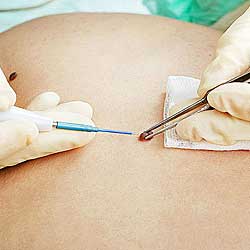
After your skin surgery, our caring and friendly staff members are at your service for your regular follow-up.
Follow-up assures you are making a progress in your recovery after your skin cancer surgery.
With a repeated scanning, our specialists conduct direct comparisons on previous images of your skin and after surgery images.
We notice the changes to every millimetre thanks to our modern technology that offers deep insights helpful for early diagnosis.
Immediate Follow-up Appointment for Your Safety
After your skin surgery, our caring and friendly staff members are at your service for your regular follow-up.
Follow-up assures you are making a progress in your recovery after your skin cancer surgery.
With a repeated scanning, our specialists conduct direct comparisons on previous images of your skin and after surgery images.
We notice the changes to every millimetre thanks to our modern technology that offers deep insights helpful for early diagnosis.
Immediate Follow-up Appointment for Your Safety
After your skin surgery, our caring and friendly staff members are at your service for your regular follow-up.
Follow-up assures you are making a progress in your recovery after your skin cancer surgery.
With a repeated scanning, our specialists conduct direct comparisons on previous images of your skin and after surgery images.
We notice the changes to every millimetre thanks to our modern technology that offers deep insights helpful for early diagnosis.

Do Not Miss Your Skin Health Report After Skin Surgery !
Do Not Miss Your Skin Health Report After Skin Surgery !
Do Not Miss Your Skin Health Report After Skin Surgery !
Follow Up Process:
. . . . . . . . . . . . . . . . . . . . . . . . . .
• Follow Up is the most important progress after your skin surgery.
• Keep our phone number, make regular appointment
• Our friendly staff member meantime will contact you for regular follow up
Follow Up Process:
. . . . . . . . . . . . . . . . . . . . . . . . . .
• Follow Up is the most important progress after your skin surgery.
• Keep our phone number, make regular appointment
• Our friendly staff member meantime will contact you for regular follow up
Follow Up Process:
. . . . . . . . . . . . . . . . . . . . . . . . . .
• Follow Up is the most important progress after your skin surgery.
• Keep our phone number, make regular appointment
• Our friendly staff member meantime will contact you for regular follow up
Category : Follow Up, SERVICES
Tags : cure, early detection, melanoma, mole, northern beaches, northern beaches skin cancer checks, post removal, post surgery, regular checks, remedy, removal scar, sarcoma, skin cancer, skin cancer checks, skin cancer clinic, skin cancer treatment, surgery clinic, surgery scar, sydney, sydney skin cancer surgery, sydney skin cancer surgery clinic
Tags : cure, early detection, melanoma, mole, northern beaches, northern beaches skin cancer checks, post removal, post surgery, regular checks, remedy, removal scar, sarcoma, skin cancer, skin cancer checks, skin cancer clinic, skin cancer treatment, surgery clinic, surgery scar, sydney, sydney skin cancer surgery, sydney skin cancer surgery clinic
Our Services
Our Services
Our Services
About Us
About Us
About Us
About Us

Category : SSCS
Tags : cancer, company, diagnosis, doctors, firm, healing centre, micro-invasive surgery, mini surgery, northern beaches, skin cancer, skin cancer checks, skin cancer clinic, skin cancer removal, skin cancer specialist, skin cancer surgeons, skin cancer treatment, specialists, sydney skin cancer, sydney skin cancer surgery, sydney skin cancer surgery clinic, tests, treatment centre
Tags : cancer, company, diagnosis, doctors, firm, healing centre, micro-invasive surgery, mini surgery, northern beaches, skin cancer, skin cancer checks, skin cancer clinic, skin cancer removal, skin cancer specialist, skin cancer surgeons, skin cancer treatment, specialists, sydney skin cancer, sydney skin cancer surgery, sydney skin cancer surgery clinic, tests, treatment centre
Our Services
Our Services
Our Services
Skin Check
Skin Check
Skin Check
Skin Check
Did You Know that Skin Cancer Has One of The Highest Prevention Rates? But Only If Diagnosed Early.
At Sydney Skin Cancer Surgery, we provide Full Body Skin Checks as a part of prompt detection of melanoma, squamous cell carcinoma, and basal cell carcinoma. At our Clinic you can expect:
-
Total body checks that ensure in-depth assessment and precise diagnosis
-
Examination of every mole and lesion on your skin
-
Accurate diagnosis on any form of skin cancer by our highly trained and accredited specialists
-
After-examination consultation and advice on best therapy approach (if required) and long-term prevention methods
-
Quality treatment tailored to your needs
—
Regular Skin Check are Essential for Skin Cancer Early Detection


Did You Know that Skin Cancer Has One of The Highest Prevention Rates? But Only If Diagnosed Early.
At Sydney Skin Cancer Surgery, we provide Full Body Skin Checks as a part of prompt detection of melanoma, squamous cell carcinoma, and basal cell carcinoma. At our Clinic you can expect:
-
Total body checks that ensure in-depth assessment and precise diagnosis
-
Examination of every mole and lesion on your skin
-
Accurate diagnosis on any form of skin cancer by our highly trained and accredited specialists
-
After-examination consultation and advice on best therapy approach (if required) and long-term prevention methods
-
Quality treatment tailored to your needs
—
Regular Skin Check are Essential for Skin Cancer Early Detection
Did You Know that Skin Cancer Has One of The Highest Prevention Rates? But Only If Diagnosed Early.
At Sydney Skin Cancer Surgery, we provide Full Body Skin Checks as a part of prompt detection of melanoma, squamous cell carcinoma, and basal cell carcinoma. At our Clinic you can expect:
-
Total body checks that ensure in-depth assessment and precise diagnosis
-
Examination of every mole and lesion on your skin
-
Accurate diagnosis on any form of skin cancer by our highly trained and accredited specialists
-
After-examination consultation and advice on best therapy approach (if required) and long-term prevention methods
-
Quality treatment tailored to your needs
—
Regular Skin Check are Essential for Skin Cancer Early Detection

Why Skin Check?
• Early detection of cancer is essential to the successful treatment.
• Do you know melanoma?
Melanoma is the most dangerous skin cancer.
• Who could have skin cancer?
• Long term sun exposer
• Fair skin people
• How often should you check your skin?
All adults should check their skin every 3 months, but if you feel any skin suspicious change, you can be checked anytime in our clinic.
Why Skin Check?
• Early detection of cancer is essential to the successful treatment.
• Do you know melanoma?
Melanoma is the most dangerous skin cancer.
• Who could have skin cancer?
• Long term sun exposer
• Fair skin people
• How often should you check your skin?
All adults should check their skin every 3 months, but if you feel any skin suspicious change, you can be checked anytime in our clinic.
Why Skin Check?
• Early detection of cancer is essential to the successful treatment.
• Do you know melanoma?
Melanoma is the most dangerous skin cancer.
• Who could have skin cancer?
• Long term sun exposer
• Fair skin people
• How often should you check your skin?
All adults should check their skin every 3 months, but if you feel any skin suspicious change, you can be checked anytime in our clinic.
FREQUENTLY ASKED QUESTIONS ON SKIN CANCER
FREQUENTLY ASKED QUESTIONS ON SKIN CANCER
FREQUENTLY ASKED QUESTIONS ON SKIN CANCER
Should I do a skin check?
Anyone should get their skin checked. Ideally, adults should check their skin every 3 months. If you notice any alarming changes or have never done a skin check we highly recommend you to check your skin in our clinic.
We understand that people with any type of skin colour can get skin cancer and therefore advice on early checks, especially if you:
-
Spend lots of time exposed to harmful UV radiation of the sun
-
Your family spends lots of time on outdoor activities, while unprotected from sun exposure
-
Have made a self-assessment and noticed some unusual skin changes
-
Have a family history of skin cancer
-
Your skin type (fair skin, freckles) is sensitive to UV radiation
-
You burn easily and have been severely sunburned in the past
-
Use solariums or keep your skin tanned during your lifetime
-
Are over 55 years old male individual
How to Notice The Changes on My Body?
With the process of self-assessment, you will be able to check your entire body from head to toe. Make sure you stand in a room with a good light and check every side, including your head, neck, face, scalp, lips and ears. Conduct the assessment every month. Do not leave out ‘hidden spots’ like your nails or feet.
While doing your self-assessment, think of the “ABCD” rule:
-
A – Asymmetry – asymmetrical shape where one half mismatches the other
-
B – Border – look for ragged edges
-
C – Colour – any uneven shade of brown, black, red, pink, white or blue
-
D – Diameter – you should be able to notice a significant change in size (more than 6mm)

What Changes Should I Pay Attention to During Self-Assessment?
-
Melanoma – the most dangerous form of skin cancer appears as a bump or pigmented patch. If you have lots of moles on your skin or have noticed new moles overgrowth, you should make an appointment to get your skin checked. The more moles on your skin, the higher risk of melanoma.

-
Basal cell carcinoma – look for small, smooth, pearly bumps or pink or brown coloured lesion.

-
Squamous cell carcinoma – usually appears as a firm, red nodule or a rough flat lesion. They may itch, become crusty or even bleed.

Did you know that -- It Takes Only One Mole to Turn Into a Melanoma?
A simple consultation with our board-certified specialist can save yours and your loved one’s life. You will be required to give your complete clinical history.
Our staff conducts a Full Body Scan, taking images of suspicious spots and moles. The images are immediately evaluated for any skin condition.
After that, our specialist inspects your entire body followed by confirmation of the diagnosis and early removal if necessary.

Should I do a skin check?
Anyone should get their skin checked. Ideally, adults should check their skin every 3 months. If you notice any alarming changes or have never done a skin check we highly recommend you to check your skin in our clinic.
We understand that people with any type of skin colour can get skin cancer and therefore advice on early checks, especially if you:
-
Spend lots of time exposed to harmful UV radiation of the sun
-
Your family spends lots of time on outdoor activities, while unprotected from sun exposure
-
Have made a self-assessment and noticed some unusual skin changes
-
Have a family history of skin cancer
-
Your skin type (fair skin, freckles) is sensitive to UV radiation
-
You burn easily and have been severely sunburned in the past
-
Use solariums or keep your skin tanned during your lifetime
-
Are over 55 years old male individual
How to Notice The Changes on My Body?
With the process of self-assessment, you will be able to check your entire body from head to toe. Make sure you stand in a room with a good light and check every side, including your head, neck, face, scalp, lips and ears. Conduct the assessment every month. Do not leave out ‘hidden spots’ like your nails or feet.
While doing your self-assessment, think of the “ABCD” rule:
-
A – Asymmetry – asymmetrical shape where one half mismatches the other
-
B – Border – look for ragged edges
-
C – Colour – any uneven shade of brown, black, red, pink, white or blue
-
D – Diameter – you should be able to notice a significant change in size (more than 6mm)
What Changes Should I Pay Attention to During Self-Assessment?
-
Melanoma – the most dangerous form of skin cancer appears as a bump or pigmented patch. If you have lots of moles on your skin or have noticed new moles overgrowth, you should make an appointment to get your skin checked. The more moles on your skin, the higher risk of melanoma.
-
Basal cell carcinoma – look for small, smooth, pearly bumps or pink or brown coloured lesion.
-
Squamous cell carcinoma – usually appears as a firm, red nodule or a rough flat lesion. They may itch, become crusty or even bleed.
Did you know that -- It Takes Only One Mole to Turn Into a Melanoma?
A simple consultation with our board-certified specialist can save yours and your loved one’s life. You will be required to give your complete clinical history.
Our staff conducts a Full Body Scan, taking images of suspicious spots and moles. The images are immediately evaluated for any skin condition.
After that, our specialist inspects your entire body followed by confirmation of the diagnosis and early removal if necessary.
Should I do a skin check?
Anyone should get their skin checked. Ideally, adults should check their skin every 3 months. If you notice any alarming changes or have never done a skin check we highly recommend you to check your skin in our clinic.
We understand that people with any type of skin colour can get skin cancer and therefore advice on early checks, especially if you:
-
Spend lots of time exposed to harmful UV radiation of the sun
-
Your family spends lots of time on outdoor activities, while unprotected from sun exposure
-
Have made a self-assessment and noticed some unusual skin changes
-
Have a family history of skin cancer
-
Your skin type (fair skin, freckles) is sensitive to UV radiation
-
You burn easily and have been severely sunburned in the past
-
Use solariums or keep your skin tanned during your lifetime
-
Are over 55 years old male individual
How to Notice The Changes on My Body?
With the process of self-assessment, you will be able to check your entire body from head to toe. Make sure you stand in a room with a good light and check every side, including your head, neck, face, scalp, lips and ears. Conduct the assessment every month. Do not leave out ‘hidden spots’ like your nails or feet.
While doing your self-assessment, think of the “ABCD” rule:
-
A – Asymmetry – asymmetrical shape where one half mismatches the other
-
B – Border – look for ragged edges
-
C – Colour – any uneven shade of brown, black, red, pink, white or blue
-
D – Diameter – you should be able to notice a significant change in size (more than 6mm)
What Changes Should I Pay Attention to During Self-Assessment?
-
Melanoma – the most dangerous form of skin cancer appears as a bump or pigmented patch. If you have lots of moles on your skin or have noticed new moles overgrowth, you should make an appointment to get your skin checked. The more moles on your skin, the higher risk of melanoma.
-
Basal cell carcinoma – look for small, smooth, pearly bumps or pink or brown coloured lesion.
-
Squamous cell carcinoma – usually appears as a firm, red nodule or a rough flat lesion. They may itch, become crusty or even bleed.
Did you know that -- It Takes Only One Mole to Turn Into a Melanoma?
A simple consultation with our board-certified specialist can save yours and your loved one’s life. You will be required to give your complete clinical history.
Our staff conducts a Full Body Scan, taking images of suspicious spots and moles. The images are immediately evaluated for any skin condition.
After that, our specialist inspects your entire body followed by confirmation of the diagnosis and early removal if necessary.
Category : SERVICES, Skin Check
Tags : adeno carcinoma, adenocarcinoma, basal cell cancer, basal cell carcinoma, cancer, cancerous moles, diagnosis, doctor, doctors, early detection, hosc, malignant melanoma, melanoma, melanoma detection, melanoma group, melanoma removal, melanoma stages, melanoma symptoms, melanoma treatment, metastatic carcinoma, metastatic melanoma, mole, mws, northern beaches, regular checks, removal scar, sarcoma cancer, skin cancer, skin cancer checks, skin cancer symptoms, skin cancer treatment, skin cancers, specialist, specialists, squamous cell carcinoma, squamous cell skin carcinoma, sun exposure, tests, types of skin cancer, what does skin cancer look like
Tags : adeno carcinoma, adenocarcinoma, basal cell cancer, basal cell carcinoma, cancer, cancerous moles, diagnosis, doctor, doctors, early detection, hosc, malignant melanoma, melanoma, melanoma detection, melanoma group, melanoma removal, melanoma stages, melanoma symptoms, melanoma treatment, metastatic carcinoma, metastatic melanoma, mole, mws, northern beaches, regular checks, removal scar, sarcoma cancer, skin cancer, skin cancer checks, skin cancer symptoms, skin cancer treatment, skin cancers, specialist, specialists, squamous cell carcinoma, squamous cell skin carcinoma, sun exposure, tests, types of skin cancer, what does skin cancer look like